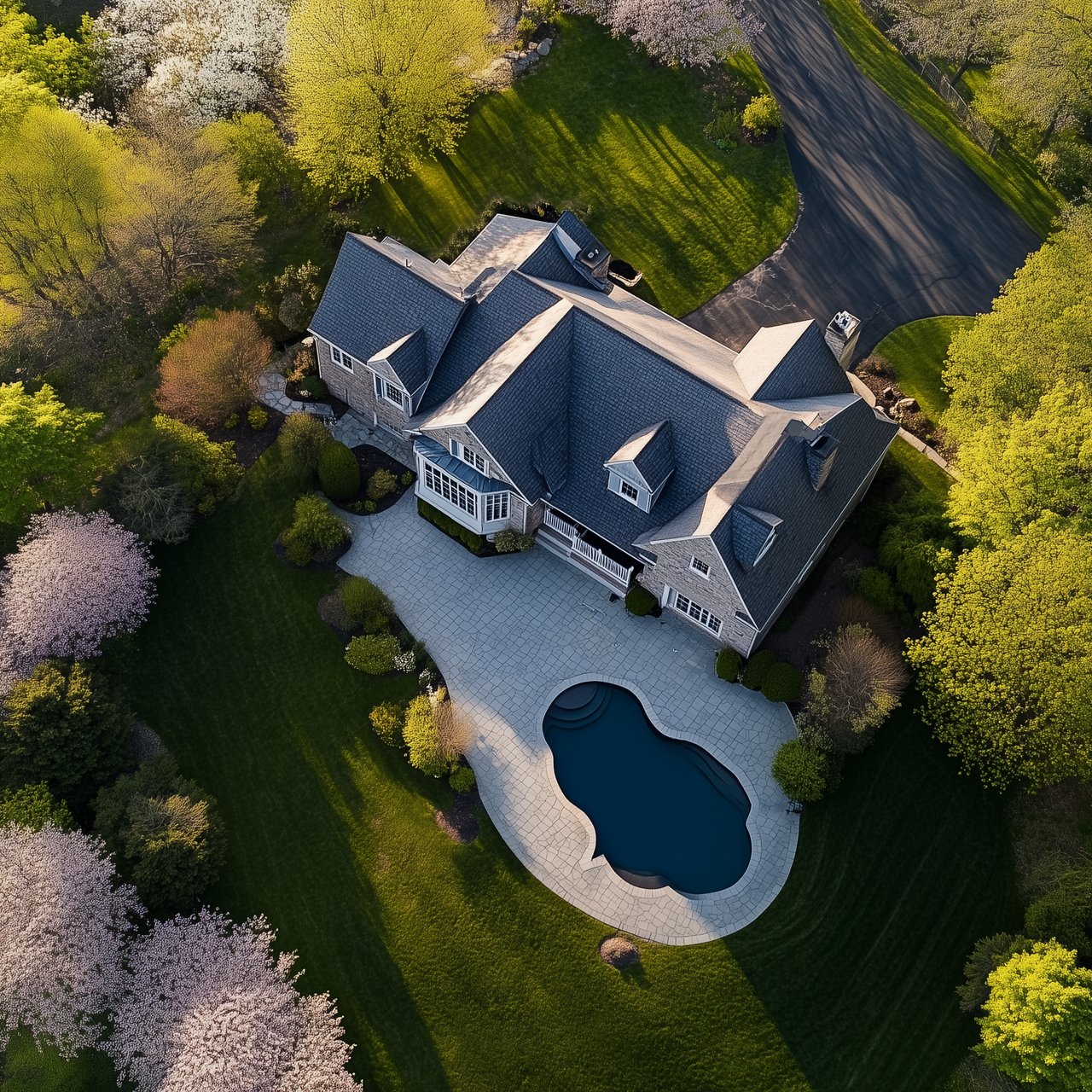
There’s something nobody tells you about listing Providence RI real estate. It’s not because they have bad intentions. It’s simply because this is an underrated and underappreciated truth that factors into nearly every home sale. It’s not talked about much because it seems so simple, but as you’ll see from this article, understanding this truth and applying it are two very different things.
The truth is that you have more control over your home’s selling potential than you think. It may feel like you’re simply riding the waves of the market. Perhaps you feel like other homes have flashier features and new amenities that buyers crave. Chances are your home isn’t perfect, but no home is. You can likely make more money on your upcoming home sale than what you currently think is possible. Here are some steps that you can follow to boost your earnings when you sell your Providence RI real estate.
1. Get an Inspection Ahead of Time
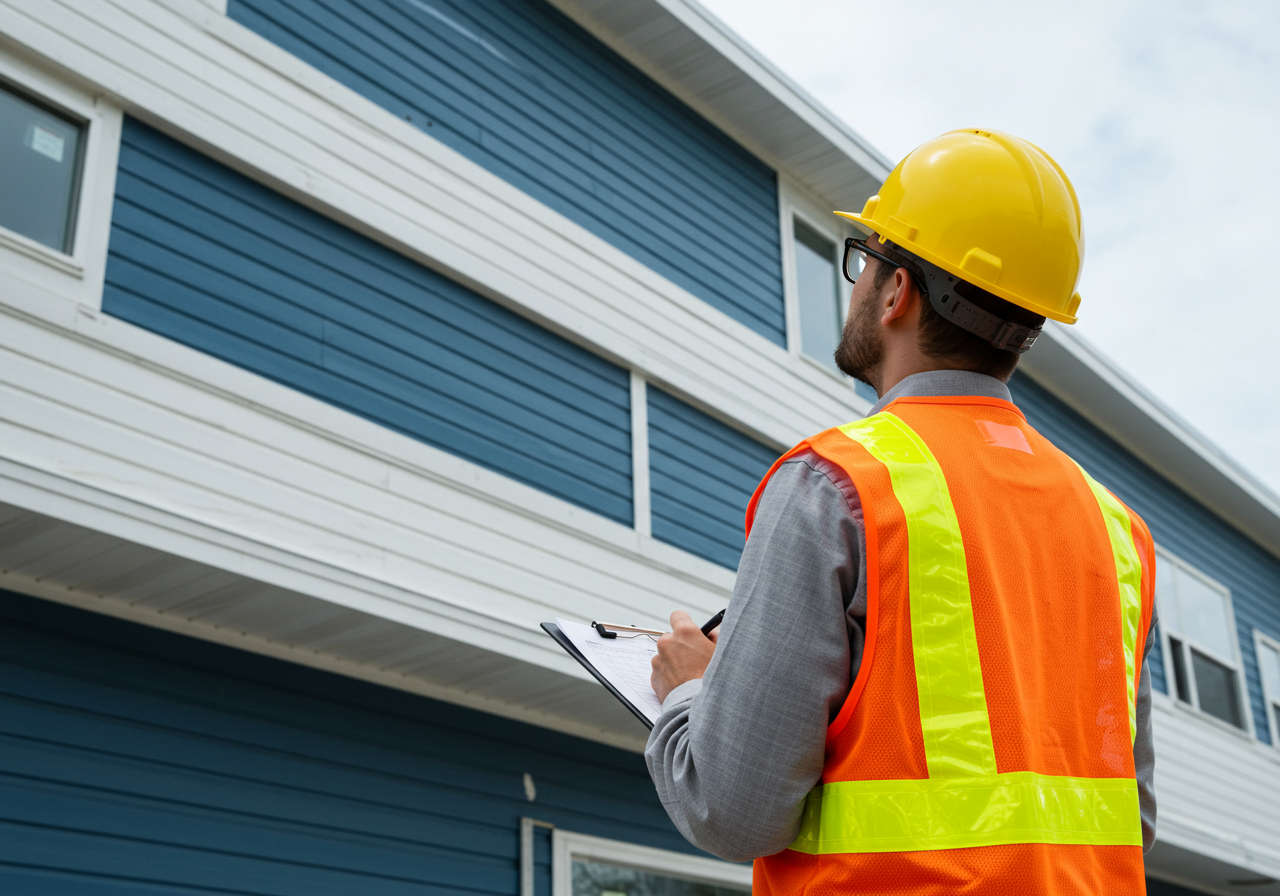
Most buyers will order a home inspection during the option period after they first agree to a deal. The inspector will look over the home’s interior and exterior and create a report that fully explains any concerns they have about the home’s condition. Most contracts allow the buyer to renegotiate the deal or walk away entirely if the inspection reveals any significant concerns. This is a major risk for you as a seller because you could potentially lose a sale after you’ve already agreed to a deal. You’ll put your home back on the market, but you know that you’ll have a hurdle to clear before the home can sell based on what the inspection showed.
You can eliminate any concern about what’s going on below the surface by ordering your own home inspection before you bring your home to the market. This gives you time to properly address any outstanding issues. If nothing else, you can disclose them on your home listing so that the buyer is well aware of the condition that the home is in.
2. Look for Gaps in the Market

Before you price your home, you will take steps to determine what your property could be worth. You may ask your Real Estate Agent to run a CMA, or Comparative Market Analysis, for you. This report will outline what similar homes in your area have sold for in recent months. You’ll want to price your home based on these numbers because your home has to appraise before closing so that your buyer can secure funding from their lender.
Once you have a ballpark idea of where you might price your home, it’s time to take a look at the competition. Say your home is worth around $600,000. Normally you wouldn’t want to price it too far above $600,000 because you know buyers usually filter searches around round numbers. If you priced your home at $605,000 you could risk missing out on buyers who have their search filter set up to show them listings that cost less than $600,000. Things change when you take a look at available homes and there isn’t a single home listed between $600,000 and $620,000. Buyers who have been pre-approved for a loan around this amount will be shopping for homes in this range. If you price your home somewhere between those two numbers, you’ll have a chance to dominate a specific portion of the market.
No need to worry if this seems confusing. Your Real Estate Agent has a wealth of knowledge and experience when it comes to pricing homes. They will help you determine the best approach.
3. Market Like a Pro
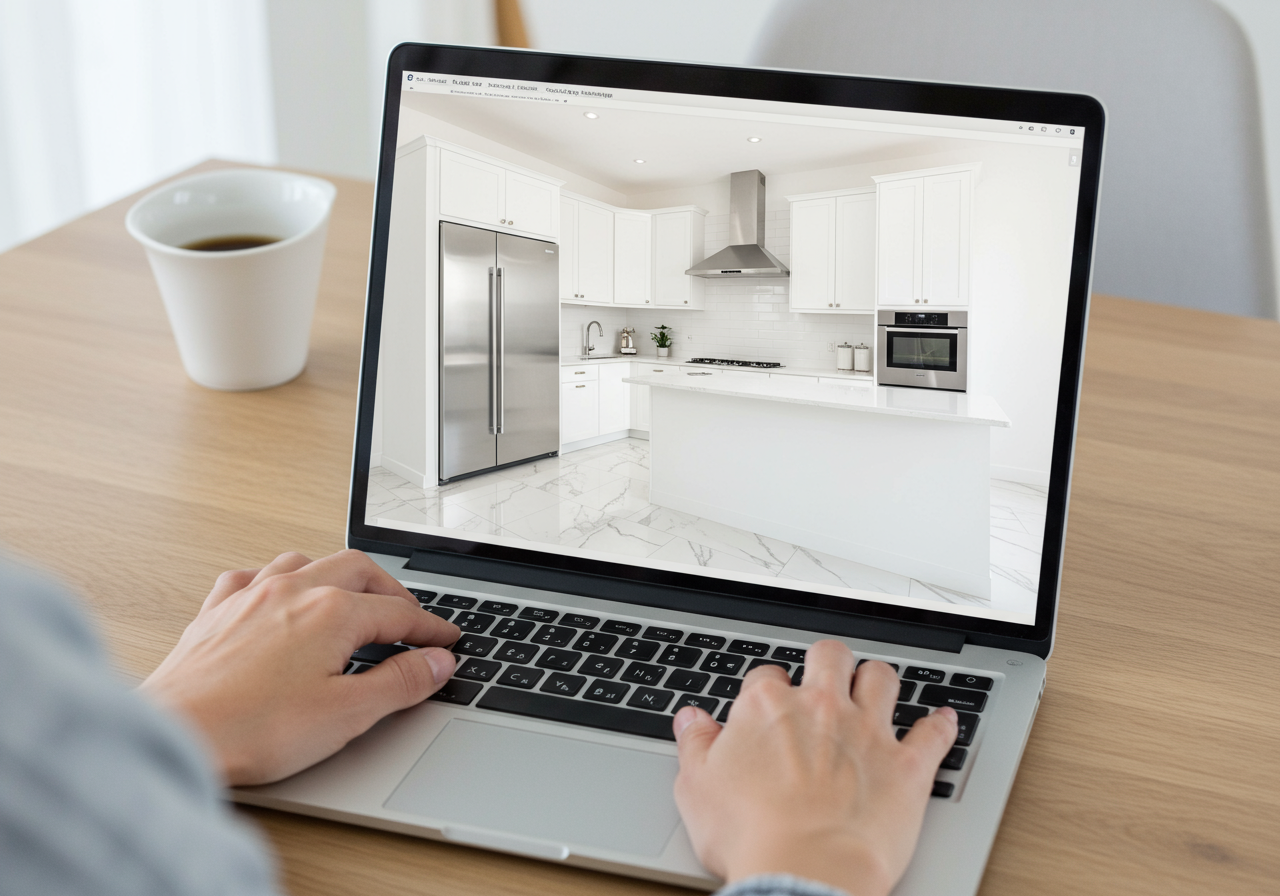
Marketing your home effectively is one of the best ways that you can sell your home for a higher price. You will raise your chances of making greater profits if you’re able to generate interest in your home.
Start by putting a “for sale” sign in your front yard. It may seem old fashioned but it will get your neighbors talking with their family and friends about the availability of a home near them. You should also be thinking about how you can use new and creative marketing strategies to your advantage. One tactic that is on the rise in recent years is the use of short-form video content to market and sell homes. Perhaps you film a short video to post on social media that teases an upcoming open house. Or you could film a full-length video tour of your home. Another idea is to launch an ad campaign on social media that increases the number of prospective buyers you could reach.
4. Stage Like a Designer
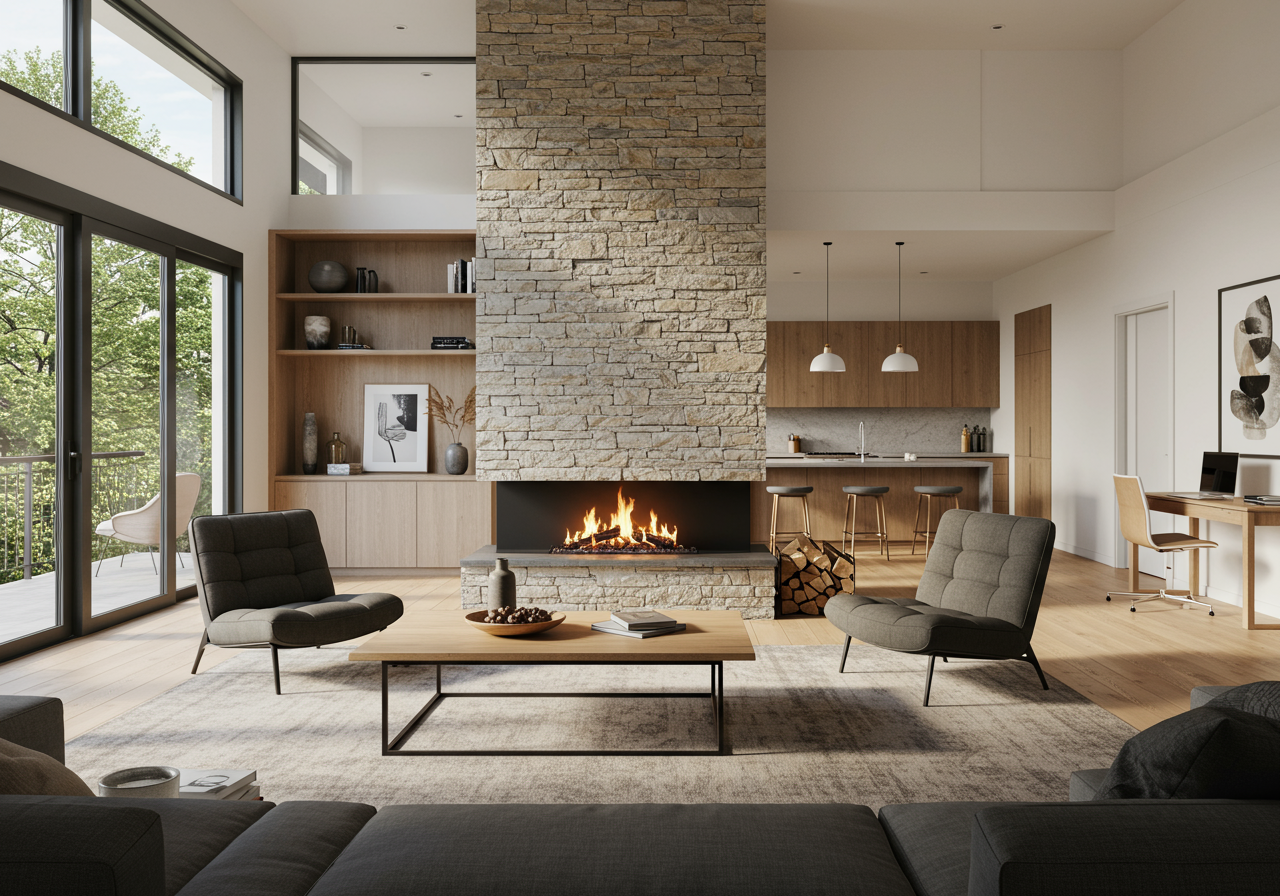
Staging your home is incredibly important because it impacts each in-person showing, in addition to the pictures you take of your home. Before you get to this point, you’ll want to take down any personal pictures you still have on your walls or shelves. Leaving these things up can cause a buyer to feel like they are intruding on your space. It’s better if they have the ability to imagine what the home would look and feel like if it were theirs.
5. Partner With a Real Estate Agent Who Will Go to Bat for You
Patrick Farrell loves helping people shop for houses for sale in Providence RI. He has spent many years assisting buyers and sellers in the local market. Over that time he has learned a great deal about what buyers are looking for when they shop for homes. He will use this expertise to help you position your home for a fast and profitable sale. Reach out to Patrick when you’re looking for someone who can help you market, stage, and sell your home.